1. LED Insertion: Insert the LEDs onto the PCB light board. PCB manufacturers offer reference boards, or you can design your own.
2. Surface Mount: Attach ICs, resistors, capacitors, and other components to the driver board. Automated placement machines are efficient, but manual placement is also possible.
3. Assembly: Assemble the PCB light board and driver into the plastic kit (mold shell) and secure it with pin headers.
4. Potting: Outdoor modules require waterproofing. Pour silicone into the mold shell and attach the cover. This completes the semi-finished module.
5. Module Aging: Module aging tests the performance of the LED screen, typically for 24 hours.
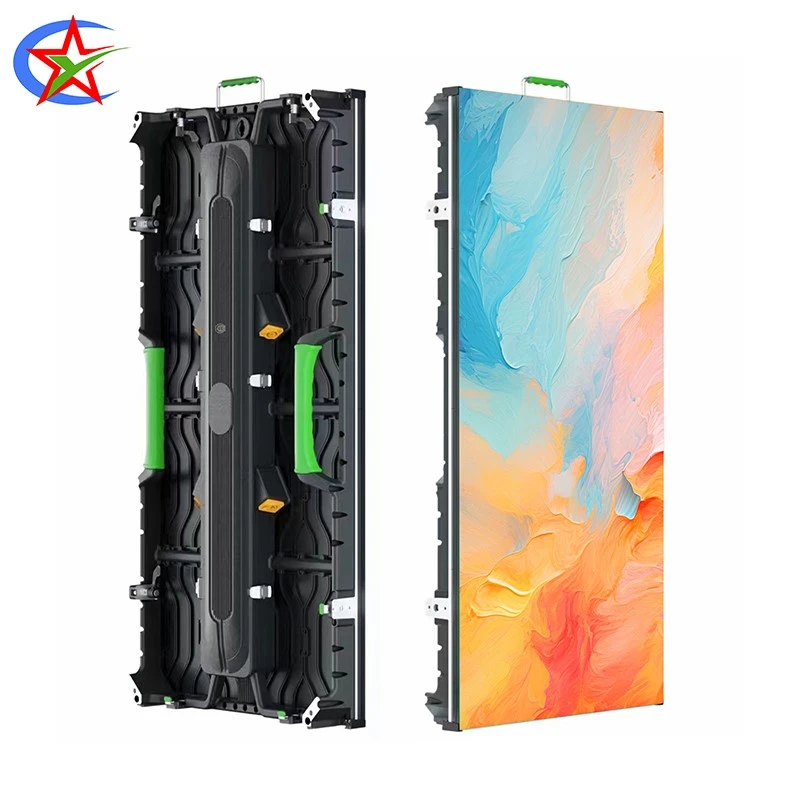
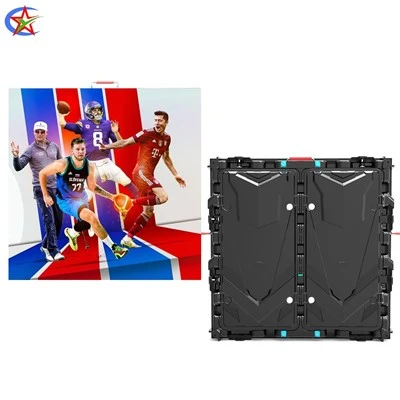
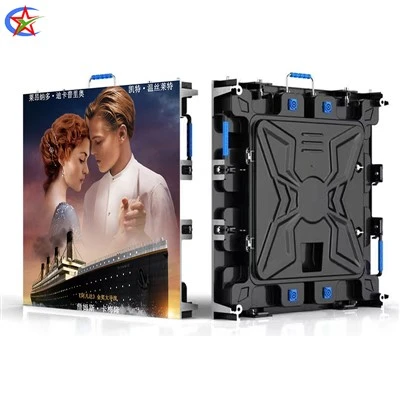
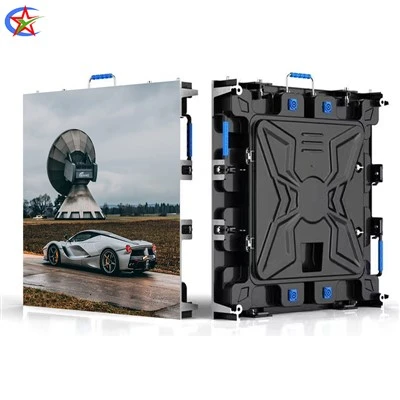
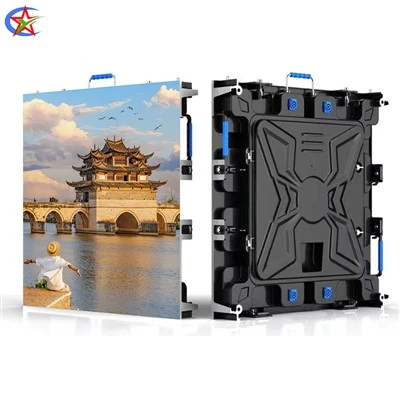
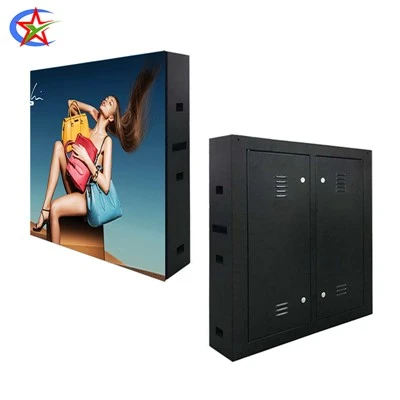
6. Cabinet Assembly: Assemble the modules into the LED screen cabinet, install the power supply, and connect the power cord, network cable, and ribbon cable. This completes the cabinet.
7. Screen Assembly: Assemble the cabinet into the LED screen display, power on, light it up, test, and age it (48 hours).
8. Finished Product Shipment: Provide installation and debugging guidance.