1. LED Chips: The Core of Brightness and Color
LED chips are the "light source" of a display screen. Currently, the mainstream types are through-hole and surface-mount (SMD) chips. Through-hole chips offer high brightness but poor heat dissipation, making them suitable for small-sized displays; SMD chips (such as surface-mount) offer better heat dissipation and stronger color consistency, commonly used in medium to large-sized indoor screens.
2. Module Substrate: The Key to Structural Support
Module substrates typically use PCBs or aluminum substrates. PCBs are lower in cost and suitable for conventional display scenarios; aluminum substrates offer excellent heat dissipation, effectively extending chip lifespan, and are commonly used in high refresh rate or long-term operating indoor screens.
3. Packaging Materials: Protection and Optical Performance
LED chip packaging generally uses epoxy resin or silicone. Epoxy resin is inexpensive but has weak UV resistance; silicone is heat-resistant, anti-aging, and maintains color stability, making silicone encapsulation a preferred choice for high-end displays.
4. Driver IC: The "Brain" of Signal Processing
Driver ICs are responsible for controlling the brightness and color of individual pixels. Commonly used ICs include SS811 and 74HC595, whose performance directly affects the display's grayscale level and refresh rate. High-end screens employ multi-chip parallel designs to improve image detail.
5. Casing and Bezel: Protection and Aesthetics
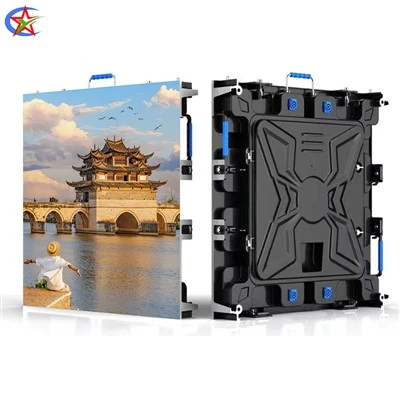
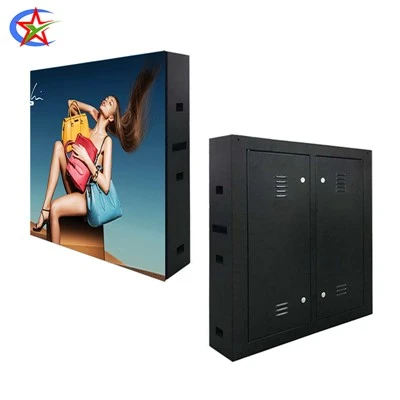
Indoor screen casings are mostly made of aluminum alloy or plastic. Aluminum alloy bezels are sturdy, lightweight, and have good heat dissipation; plastic bezels are low-cost and suitable for small or creative display scenarios. Bezel design must also consider the flatness of the module splicing, as this affects the overall display effect.