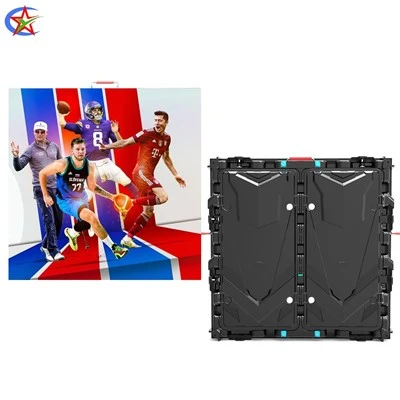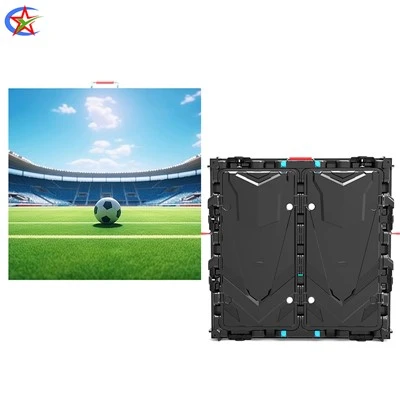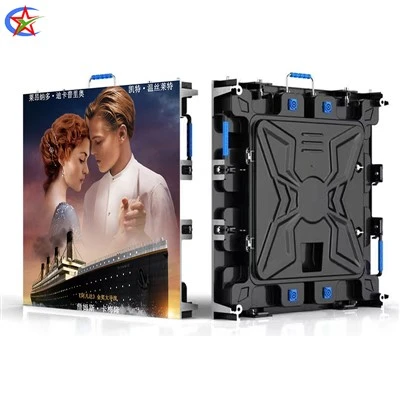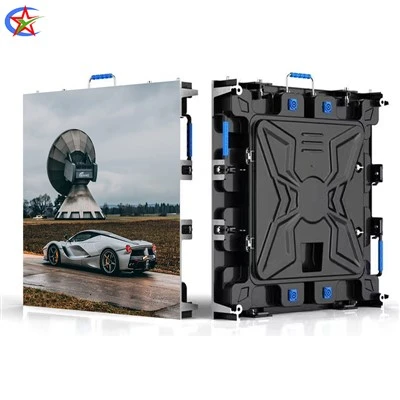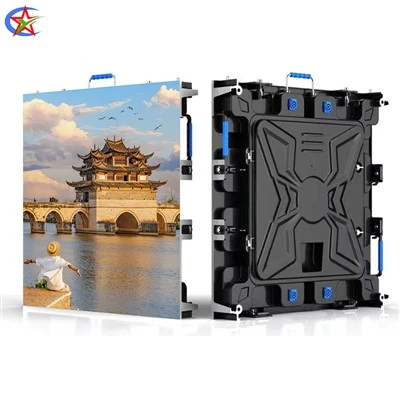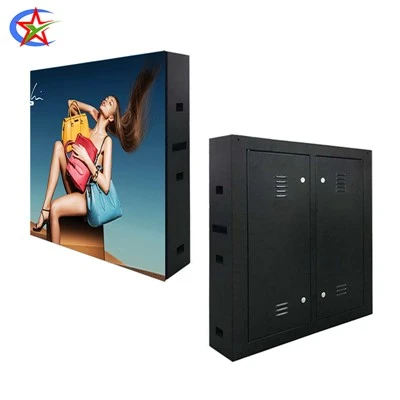
LED Light Emitting Principle: An LED is a light-emitting diode that emits light by utilizing the principle of energy release through the recombination of charge carriers when current passes through a semiconductor material. In outdoor LED displays, hundreds or thousands of LED beads are arranged together to form a pixel. Using LED beads of different colors can display a rich variety of colors.
Control System: Outdoor LED displays typically consist of multiple LED modules, each containing multiple pixels. These LED modules are controlled and managed uniformly by a control system. The control system usually includes a main controller, signal processor, and driver chips, which control the brightness, color, and displayed content of the LED modules.
Display Content Transmission: To display content on an LED display, the images, videos, or text to be displayed need to be converted into a signal format that the LED display can recognize. These signals are then transmitted to the LED display's control system via data transmission methods (such as wired or wireless transmission). The control system then decodes these signals and sends them back to the individual LED modules, thus realizing the display of the content.