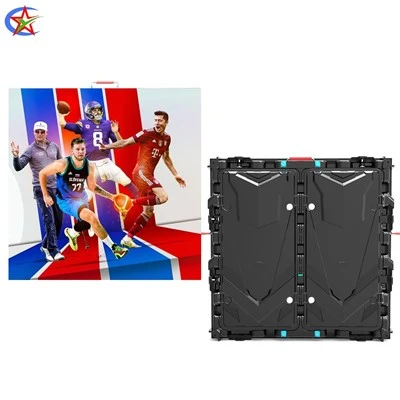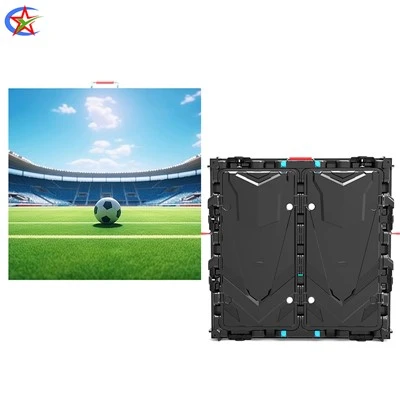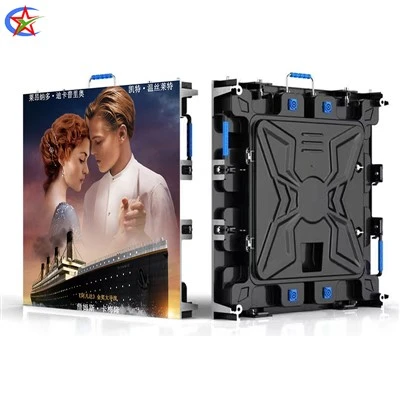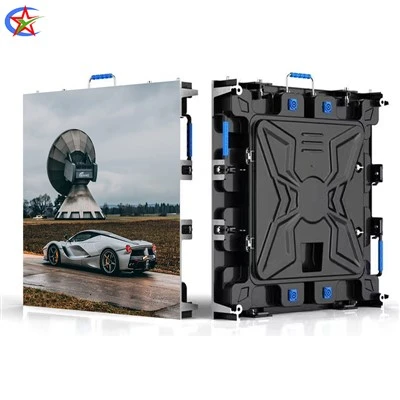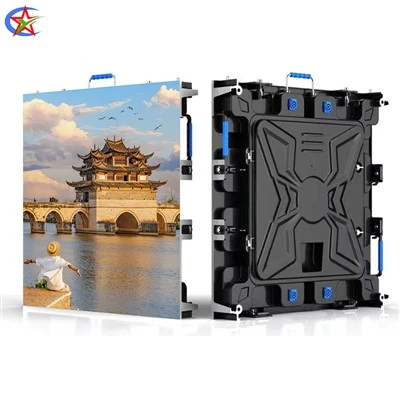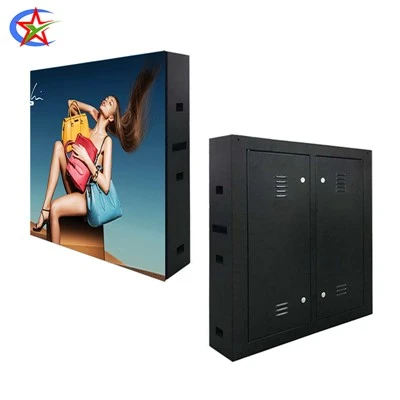
The core technologies of outdoor displays encompass multiple aspects, including display effect optimization, enhanced environmental adaptability, and system stability assurance, which are crucial to their performance.
Key technical indicators of display effect include grayscale level, contrast ratio, and refresh rate. Grayscale level refers to the number of distinguishable brightness levels from the darkest to the brightest in a single primary color of an LED display. A higher grayscale level results in richer and more vibrant colors. Contrast ratio is a key factor affecting visual effects; generally, a higher contrast ratio results in a clearer, more striking image and more vivid colors. Refresh rate is the number of times the displayed content is repeated per second; a low refresh rate causes image flickering.
LED displays consist of a large number of LED pixels. Due to the inherent discreteness of the light-emitting devices, uneven brightness and color can occur. Uniformity calibration technology precisely controls the brightness and color matching of the three primary color LEDs in each pixel, ensuring consistent brightness and color across all pixels on the display. The necessity of on-site calibration is becoming increasingly prominent.
Dedicated image processors for LED displays mainly include video signal conversion, color space conversion, adjustable GAMMA correction, and image processing technology.
To improve contrast in outdoor environments, various technologies are employed. LED modules equipped with sunshades are often used to enhance the contrast of outdoor signage systems. However, the surface texture treatment (such as a rough surface) can affect ambient light reflection and contrast uniformity. Sunshade designs often utilize coatings, such as anti-reflective and UV-resistant black paint treatments on the LED module sunshade surface to reduce light reflection. Black LED encapsulation improves the contrast of outdoor LED video displays by adding more coloring dyes, but at the cost of increased power consumption and reduced brightness.