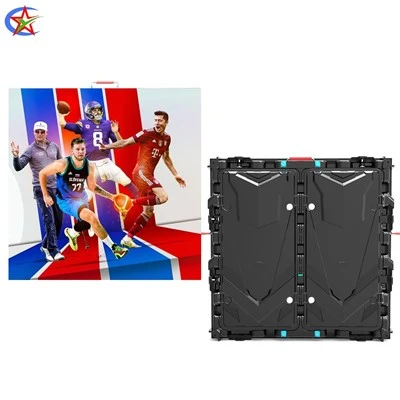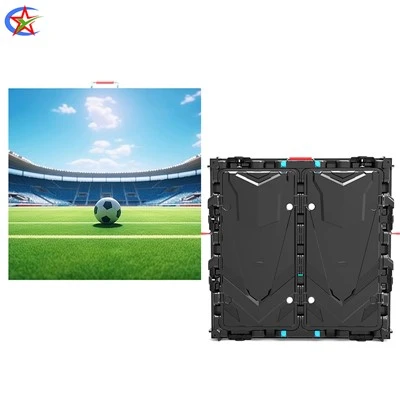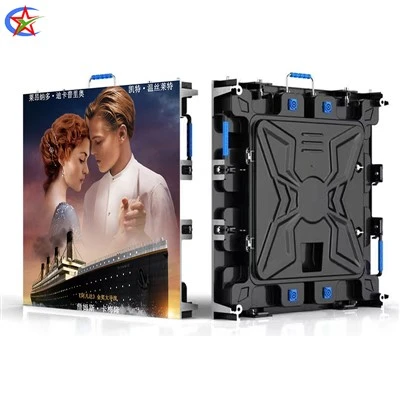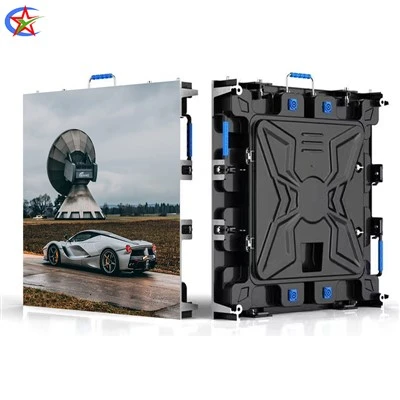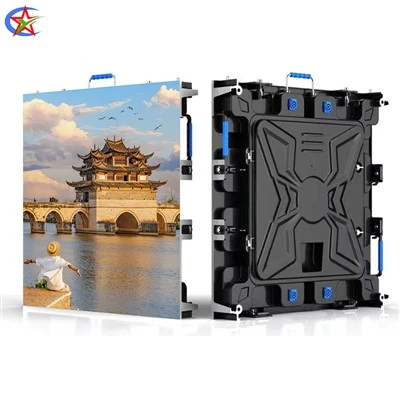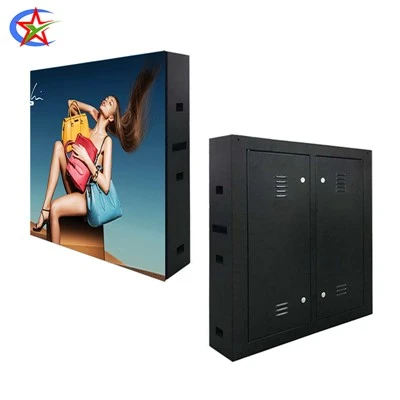
Outdoor LED displays typically range in size from tens to hundreds of square meters or even larger. They boast high brightness, wide viewing angles, and can operate in sunlight, offering some wind, rain, and waterproof protection. They are primarily used for outdoor advertising, stations, plazas, and shopping malls.
Outdoor LED displays usually appear in the form of outdoor media. Outdoor media refers to advertising information displayed on rooftops of major buildings, in front of commercial areas, roadsides, and other outdoor locations. Main forms include roadside LED displays, LED electronic displays, full-color LED screens, LED screens, balloons, blimps, carriages, and large inflatable models.
Outdoor LED electronic screen media represents a 21st-century trend in the advertising industry. These are indoor and outdoor advertising display devices with audio and video capabilities, representing a leading international high-tech product. These devices feature novel and unique appearances, and their size can be adjusted arbitrarily. They can not only play audio and video advertising programs but also have fixed lightbox advertising spaces on all four sides. Local governments are encouraging the use of outdoor LED screens and are gradually phasing out the approval process for canvas and lightbox advertising. Outdoor LED screens are an ideal replacement for canvas and lightbox advertising. LED electronic screen media is divided into text and image display media and video display media, both composed of LED matrix blocks. Text and image display media can synchronously display Chinese characters, English text, and graphics with a computer; video display media is controlled by a microcomputer, combining text and images to play various information in a real-time, synchronous, and clear manner. It can also display 2D and 3D animations, videos, television programs, VCDs, and live broadcasts. LED electronic screen media displays vibrant colors, strong three-dimensionality, and images that are as still as an oil painting and as dynamic as a movie. They are widely used in finance, taxation, industry and commerce, post and telecommunications, sports, advertising, factories and mines, transportation, education systems, stations, docks, airports, shopping malls, hospitals, hotels, banks, securities markets, construction markets, auction houses, industrial enterprise management, and other public places.