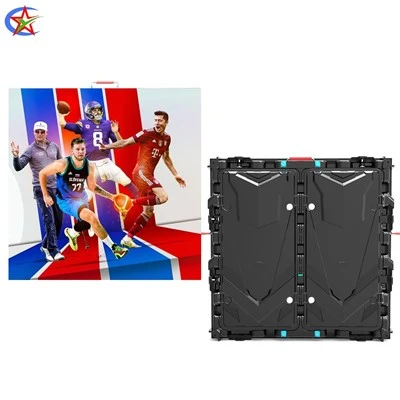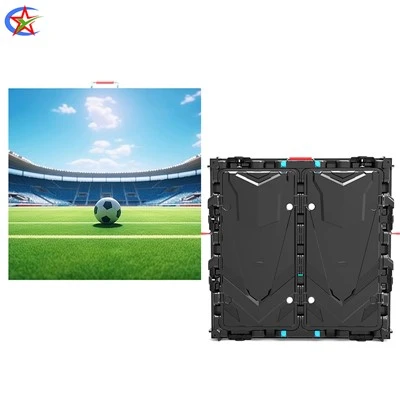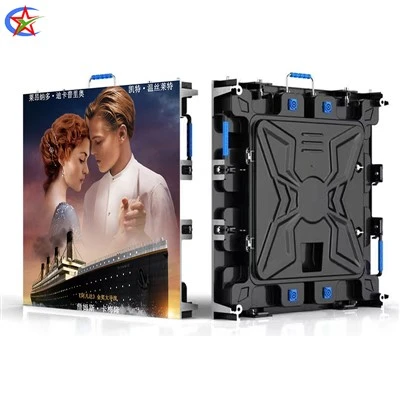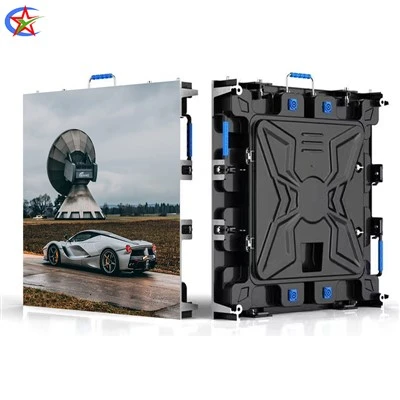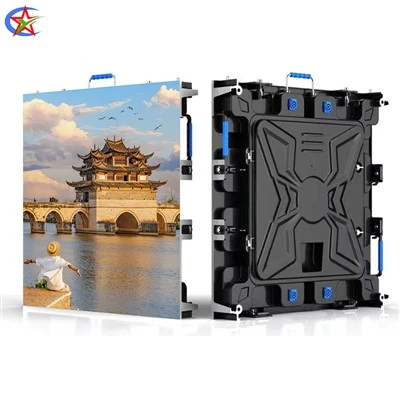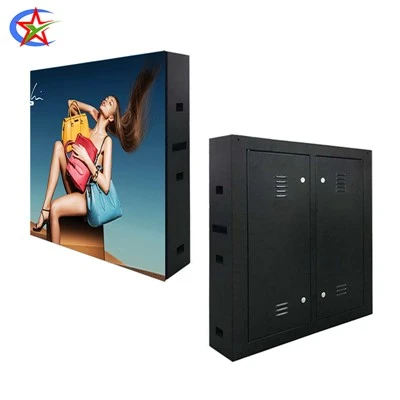
With the continuous development of urban construction, outdoor LED displays are increasingly being used as a new advertising medium. Outdoor LED displays can indeed enhance the city's image, and the advertising formats are flexible and diverse. However, there are still some things to pay attention to during the use of outdoor LED displays:
Structural Design: Outdoor LED displays are generally large in area, making them quite heavy. The first thing to consider when installing an outdoor LED display is its structural design. The installation structure should consider factors such as wind resistance, earthquake resistance, and load-bearing capacity. Secondly, the shape, structure, and exterior decoration of the screen should be coordinated with the building or environment it is attached to. Thirdly, local environmental factors should be considered, such as air humidity and air salinity (in coastal cities).
Light Pollution: With the popularization of LED displays, the concept of "light pollution" has emerged. So, does an LED display constitute "light pollution"? Internationally, light pollution is generally defined into three categories: glare pollution, artificial daylight pollution, and colored light pollution. Currently, my country only has regulations for glass curtain walls (glare pollution), and there are no regulations for artificial daylight pollution and colored light pollution. However, considering that colored light pollution does cause discomfort to people, it should be classified as "light pollution." Therefore, the issue of light pollution prevention and control should be taken into account when designing display screens.