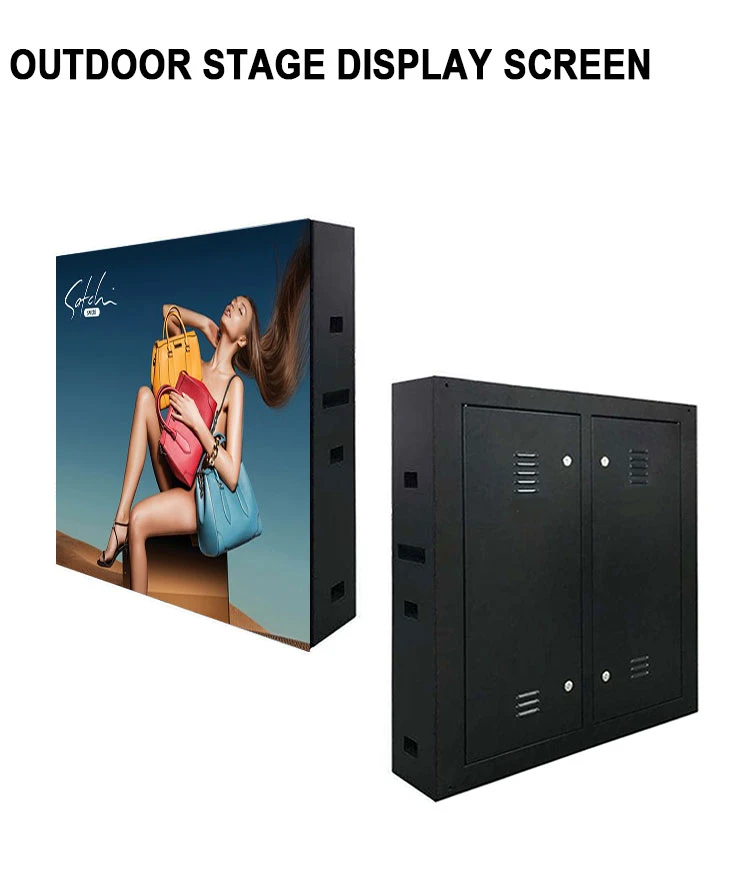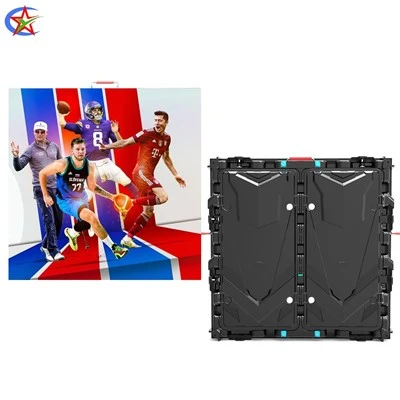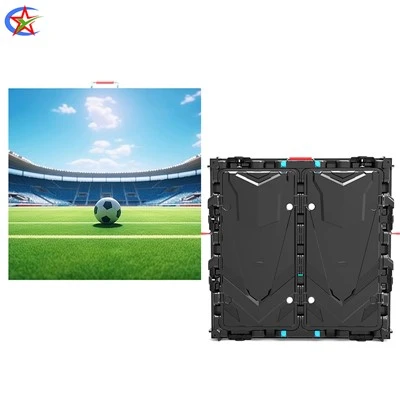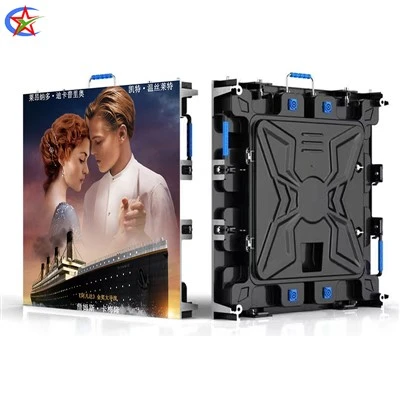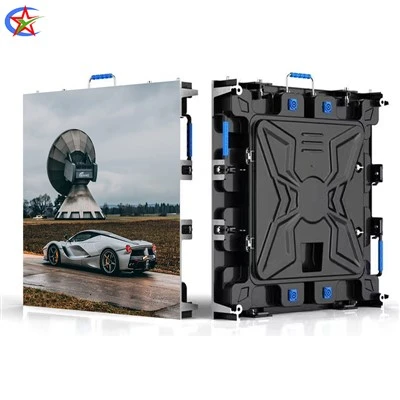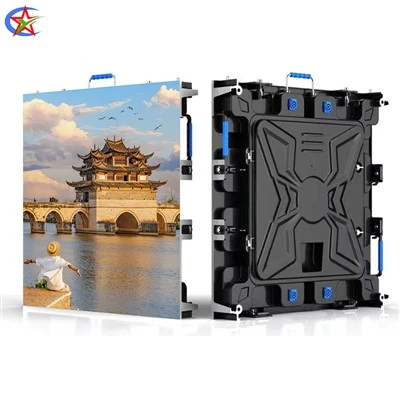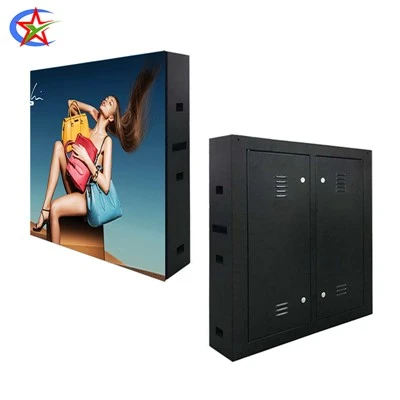
LED modules can be categorized by color type into three types: monochrome, multi-color, and full-color single-point control. Monochrome modules can display only one color, with common colors including red, green, yellow, and white. Multi-color LED modules can display seven different colors, while full-color LED modules offer a richer and more realistic color range.
Based on the power of a single LED, they can be divided into three types: low power (below 0.3W), medium power (0.3-0.5W), and high power (1W and above). High-power modules are generally brighter than low-power modules.
Based on sealing, they can be divided into waterproof and non-waterproof modules. Waterproof modules are mostly used in outdoor lighting and advertising environments, designed to prevent malfunctions caused by water ingress. Non-waterproof modules are mostly used in indoor environments. Waterproof modules are generally more expensive than non-waterproof modules.
Based on LED shape, LED modules are divided into: through-hole LED modules, piranha LED modules, and surface-mount LED modules. There are also irregularly shaped LED display modules.
Based on packaging technology, they can be divided into SMD packaging and COB packaging. COB packaging offers excellent heat dissipation, strong oxidation resistance, and eliminates exposed component pins, making it suitable for harsh environments such as outdoor small-pitch LEDs.
Based on electrical integration methods, LED modules can be categorized into integrated LED modules, semi-integrated LED modules, and non-integrated LED modules.