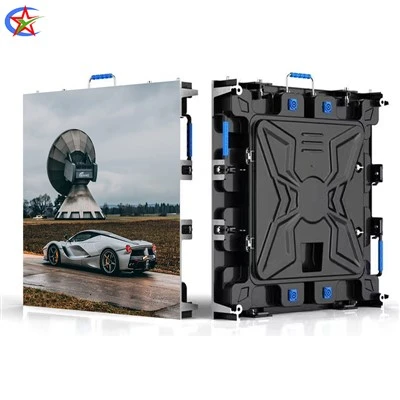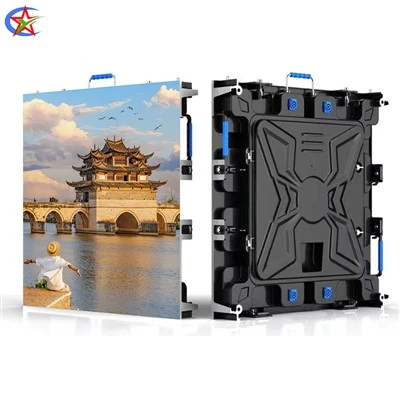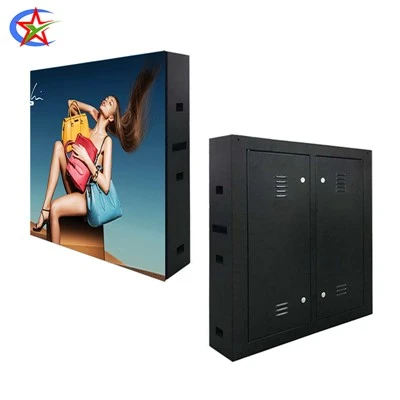
1. Color: LEDs can be categorized into three types based on color: monochrome, multi-color, and full-color single-point control.
2. Voltage: 12V low-voltage modules are common. Always check the voltage value before connecting the power supply and control system; otherwise, the LED module will be damaged.
3. Operating Temperature: This refers to the normal operating temperature of the LED. It is typically between -20℃ and +60℃.
4. Beam Angle: The beam angle of the LED module is generally defined by the manufacturer's specifications.
5. Brightness: Brightness in LED modules usually refers to luminous intensity and lumens.
6. Contrast Ratio: For LED displays, contrast ratio is a key visual indicator, referring to the ratio of the screen's brightest to its darkest point. Factors affecting the contrast ratio include: the design and surface treatment of the module's light-shielding cover, the reflective characteristics of the LED itself, and the height of the LED's light-emitting point above the display surface.
7. Waterproof Rating: This parameter is crucial for outdoor use of LED modules. Ideally, for fully outdoor applications, a waterproof rating of IP68 is recommended.
8. Waterproof Rating: This parameter is very important. Furthermore, LED modules have more detailed specifications for specific applications. For example, according to the national standard "Specifications and Interface Technical Requirements for LED Road/Tunnel Lighting Dedicated Modules" (GB/T), these modules are divided into eight specifications based on rated luminous flux, ranging from 1600 lm to 24000 lm; and six specifications based on rated correlated color temperature, ranging from 2200 K to 5700 K. Their protection rating should not be lower than IP66.
9. Dimensions: These are the commonly referred to dimensions such as length, width, and height.
10. Maximum Length of a Single Connection: This refers to the number of LED modules connected in a series connection.
11. Power: Basically, the power of an LED module = power of a single LED × number of LEDs × 1.1.
12. Common Model Parameter Examples: For indoor full-color LED displays, common models include P2.5 and P3, with typical parameters as follows: P2.5 module: module size 160x160mm, pixel density 160,000 dots/㎡, brightness 80-1000cd/㎡, refresh rate ≥3200Hz; P3 module: module size 192x192mm, pixel density 111,111 dots/㎡, refresh rate ≥2880Hz.