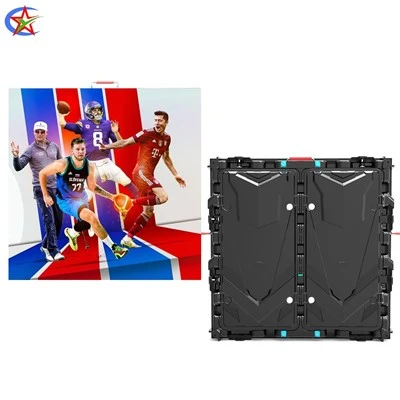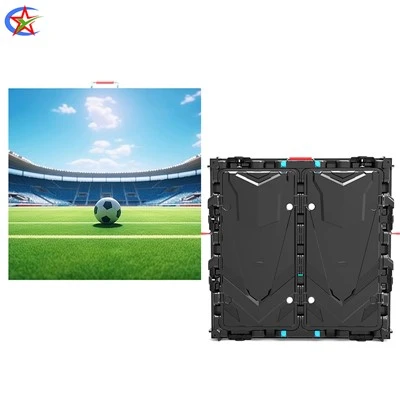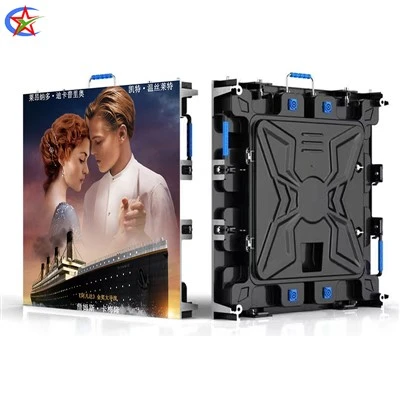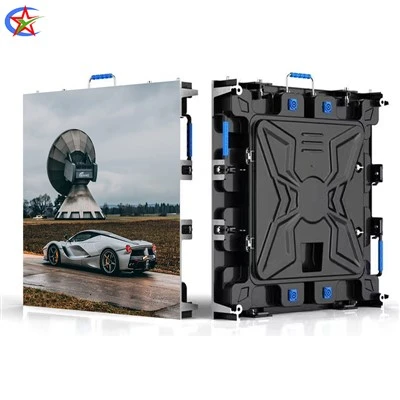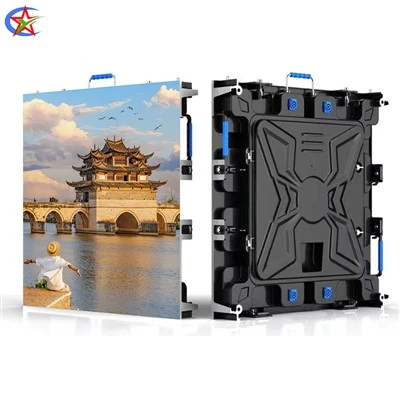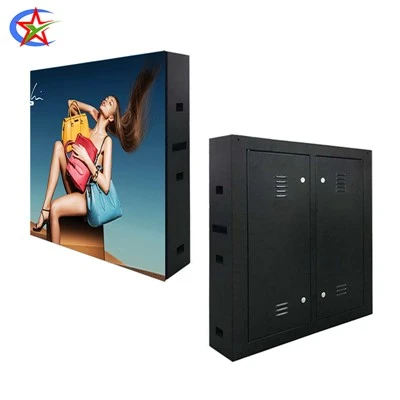
A typical LED screen consists of a display module, a control system, and a power supply system. The display module is composed of a matrix of LED lights, responsible for emitting light and displaying content. The control system controls the brightness of corresponding areas, allowing the screen to display text, images, videos, etc. The "Hengwu" card is primarily used for playing animations. The power supply system converts the input voltage and current into the voltage and current required by the LED screen.
Initially, outdoor LED screens used conventional displays, which were bulky and, after installation, formed a dark, unsightly mass that obstructed views and affected indoor lighting. Due to the shortcomings of conventional screens, LED manufacturers added perforated designs to improve transparency, leading to the development of LED grid screens. The gaps in the grid screens were further developed, evolving into LED light strip screens, which have become the most common form of LED screen used in outdoor applications.