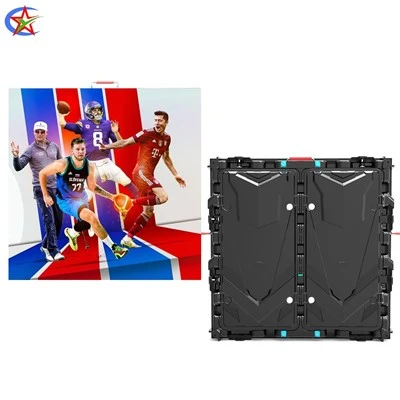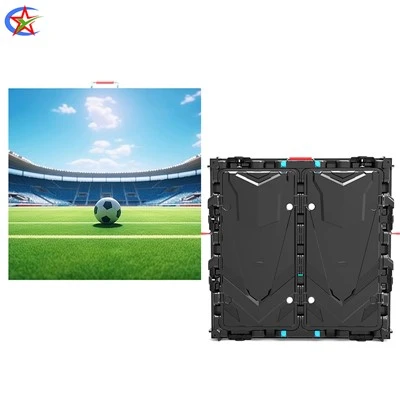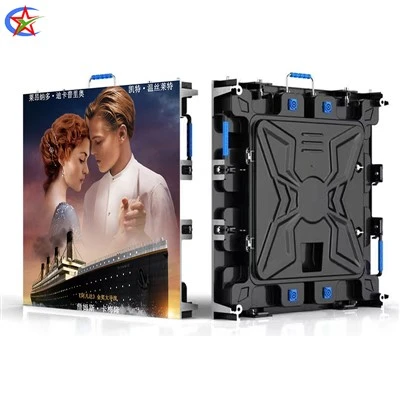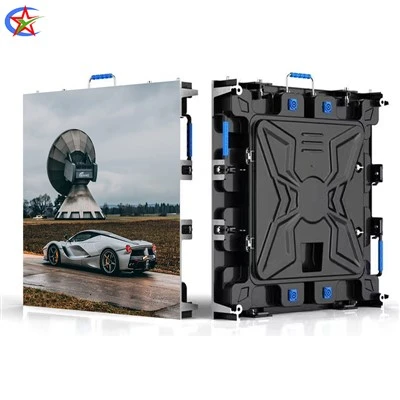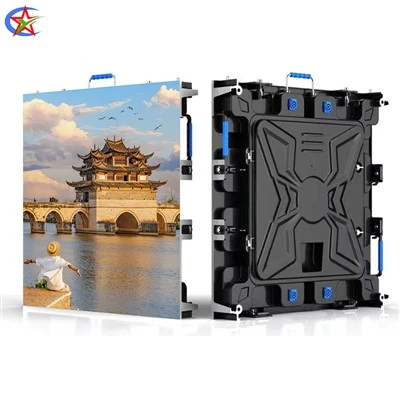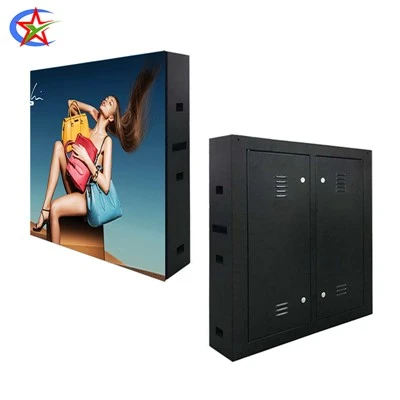
LED displays are a type of high-definition display component widely used outdoors in recent years. They possess characteristics such as resistance to sunlight and wind, and have broad application prospects. When selecting an outdoor LED display, the size and specifications table is a key factor. Below is an introduction to the size and specifications table for outdoor LED displays.
An outdoor LED display size and specifications table typically includes the length, width, resolution, and main materials of the LED display. First, there's the length and width, which are usually referred to as the physical dimensions of the LED display. Physical dimensions are a key factor in measuring the size and resolution of an LED display. Second is the resolution, which is the number of pixels the display can show. All pixels are combined to form a complete image. In addition, the main materials are also essential information. Generally, outdoor LED displays use waterproof, UV-resistant, and high-temperature resistant materials to ensure long-term reliable operation in outdoor environments.
Further expanding and extending the outdoor LED display size and specifications table, other factors need to be considered. One important factor is the viewing distance. If the viewing distance is relatively far, then a larger LED display size can be considered to ensure clarity and readability; otherwise, the display size needs to be reduced. In addition, outdoor LED displays also need to consider the brightness and energy consumption of the lights. The increase in size will also lead to an increase in the brightness and energy consumption of the lights, so the pros and cons need to be weighed.