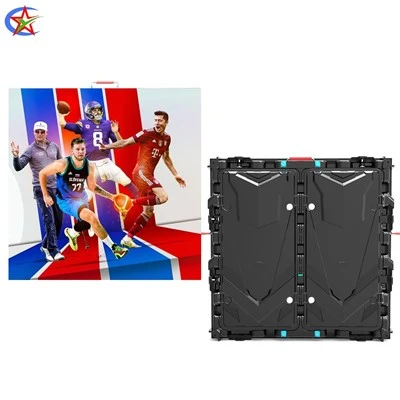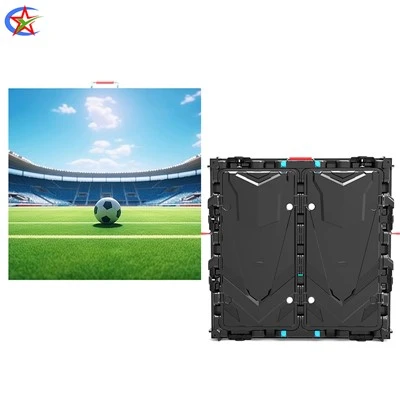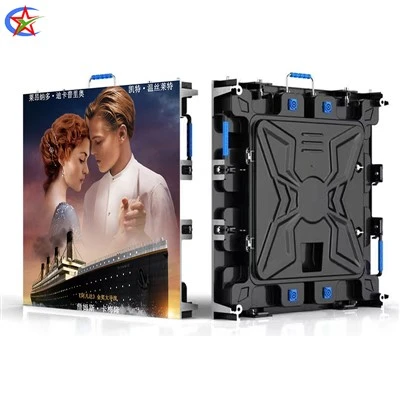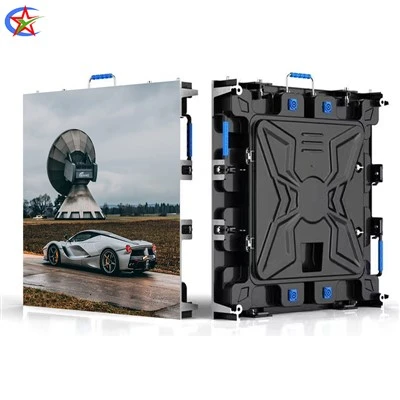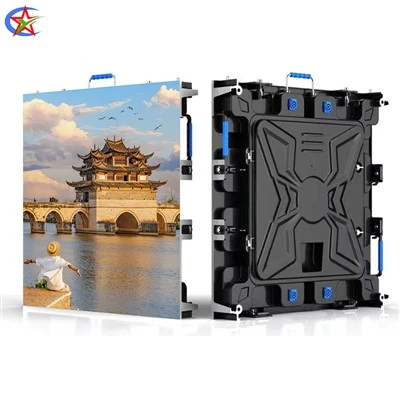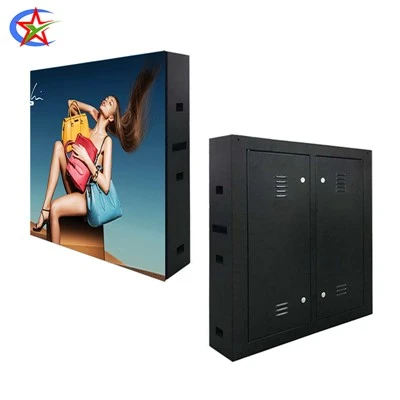
1. Lightning Protection Measures for the Installation Building and Screen:To protect the display screen from strong electromagnetic strikes caused by lightning, the screen body and its outer protective packaging must be grounded. The resistance of the grounding line should be less than 3 ohms to ensure that lightning-induced current is promptly discharged through the ground wire.
2. Waterproofing, Dustproofing, and Moisture-proofing Measures for the Entire Screen:Seamless connections must be maintained at the junctions between cabinets and where the screen body meets load-bearing installation objects to prevent leakage and moisture. The screen body should have excellent drainage and ventilation systems to promptly address any water accumulation.
3. Selection of Circuit Chips:In Northeast my country, winter temperatures can easily reach -10°C. Therefore, industrial-grade chips with an operating temperature range of -40°C to 80°C must be selected for the circuit chips to prevent the display screen from failing to start due to excessively low temperatures.
4. Ensure proper ventilation inside the screen. When the screen is powered on and operating, it generates heat. If this heat is not dissipated, it will accumulate and cause the internal temperature to become too high, affecting the operation of the integrated circuitry and potentially causing it to burn out, rendering the display inoperable. Therefore, it is essential to ensure proper ventilation and heat dissipation inside the screen, maintaining the internal temperature between -10°C and 40°C.
5. Select high-brightness LED chips. Choosing high-brightness LED chips allows for good display quality even under direct sunlight, enhances contrast with the surrounding environment, widens the audience's viewing area, and maintains excellent performance even at a distance and with a wide viewing angle.