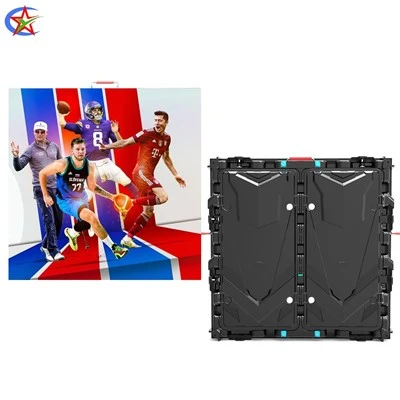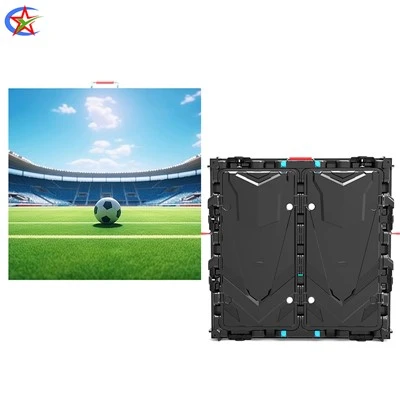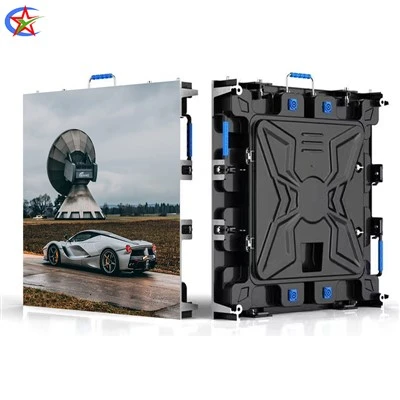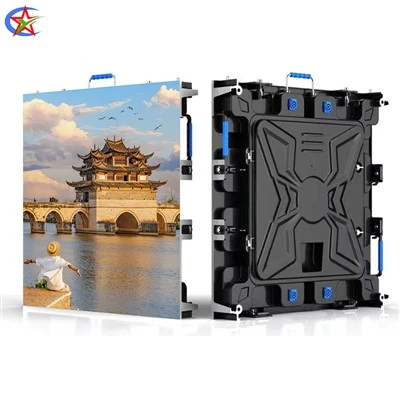
Since its inception, LED displays have been valued for their energy efficiency and environmental friendliness; LED itself is synonymous with energy conservation. Compared to traditional lighting products, LEDs offer significant and prominent energy-saving advantages, and in the near future, they are poised to completely replace traditional lighting.
With the increasing environmental awareness worldwide, we hear about low-carbon living and energy conservation everywhere, and we can feel the efforts people are making for environmental protection: electric taxis, LED streetlights, solar and wind-powered streetlights, and CFC-free refrigerators and air conditioners are all tangible examples in our lives.
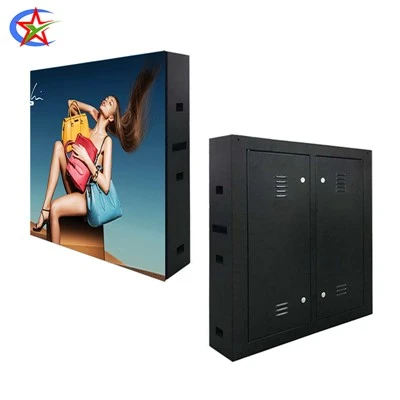
The light-emitting materials used in LED displays are inherently energy-efficient. However, due to the generally large area of outdoor displays, their power consumption remains high. Many outdoor LED display manufacturers, responding to the call of the World Energy Organization and considering the long-term development interests of the industry, have launched more energy-efficient and low-carbon outdoor LED display products, significantly improving power consumption compared to previous displays.
Because the ambient brightness changes greatly between day and night, we can achieve energy conservation and emission reduction by automatically adjusting the brightness of outdoor LED displays.